Second Round of US-Iran Talks Likely in Islamabad This Thursday
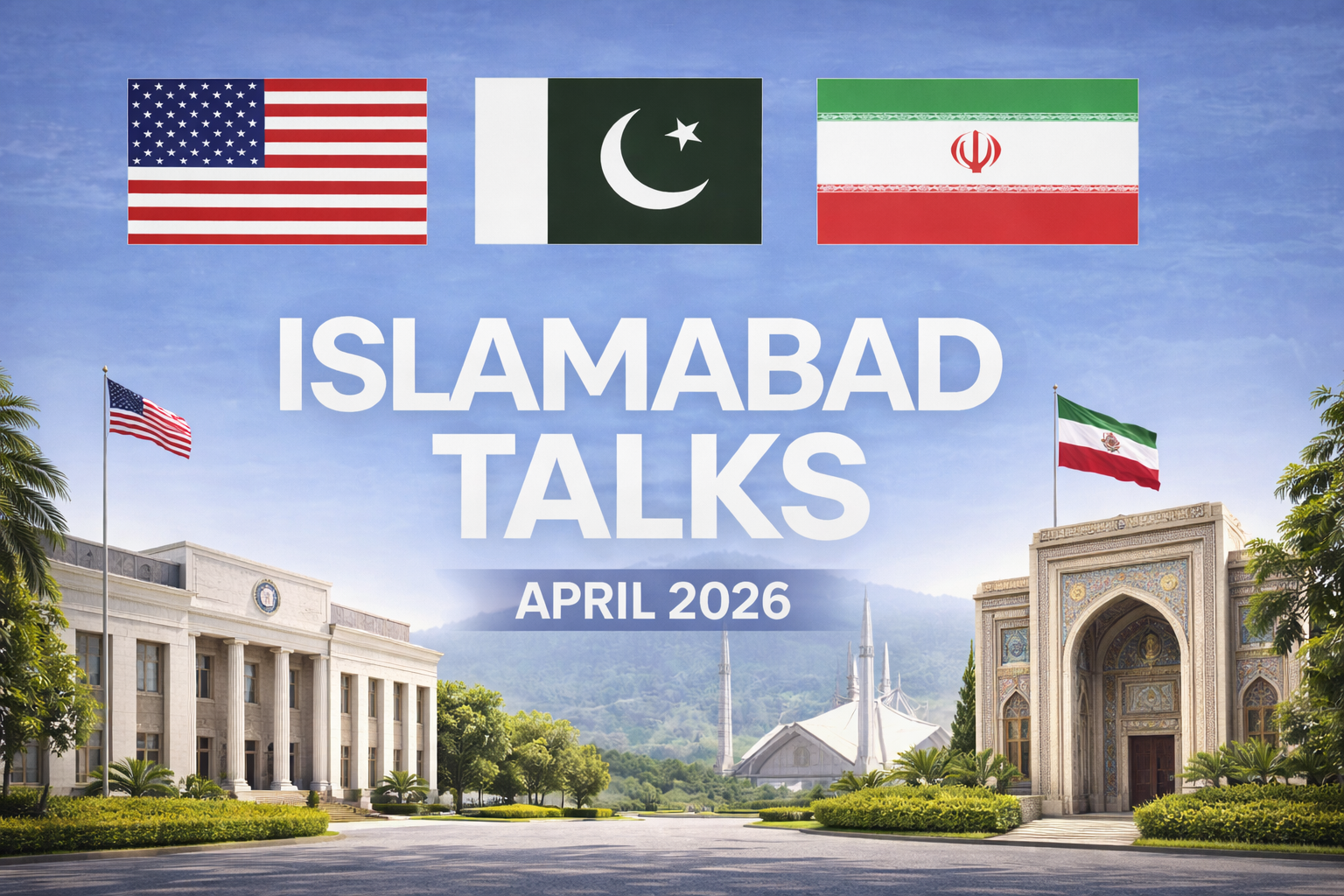
It’s Monday morning, April 14, 2026, and the quiet, manicured lawns of Islamabad’s diplomatic enclave are once again the center of the geopolitical universe. I’m looking at the same reports you are, and the chatter isn't about if the second round will happen—it's about whether they can get everyone back in the room at the Serena Hotel before the fragile truce expires and the shooting starts again.
Here’s the ground truth, stripped of the think-tank jargon and straight from the dispatches of AP and Reuters today: Pakistani officials have thrown their hat in the ring again, offering Islamabad as the venue for Round Two, and they’re pushing for Thursday, April 16.
It’s a crazy tight window. We’re talking about logistics that usually take weeks being compressed into 48 hours. That tells you everything about the pressure in the room.

How We Got Here: The 21-Hour Marathon That Changed Nothing and Everything
Just this past weekend (April 11–12), something remarkable happened that most of us thought was impossible a year ago. In the chandelier-lit halls of the Serena Hotel—a place usually reserved for wedding receptions and corporate mergers—you had JD Vance and Jared Kushner sitting across a table from Iran’s Parliament Speaker, Ghalibaf.
This wasn't a Zoom call with bad lighting. It was 21 hours of face-to-face, eyeball-to-eyeball engagement. That’s the highest level of direct contact since the Shah left Tehran in '79.
And yet, they walked out with nothing signed. No handshake photo-op for the front page. The gaps? They’re the same stubborn, existential chasms they’ve always been:
- The Nuclear Program: How many centrifuges spin? How much stockpile is too much?
- The Strait of Hormuz: A U.S. naval blockade is a red line. Iranian speedboats buzzing tankers is another.
- Hezbollah & The Region: Washington wants Tehran to pull the leash on its allies; Tehran wants sanctions relief first.
Vance came out and said something carefully calibrated: "They moved in our direction." Trump, in his usual way, told reporters: "Iran... want to work a deal."
But here’s the thing about diplomacy in this part of the world: No deal is not a failure if the talking continues. The fact that General Asim Munir and the Pakistani PM were shuttling messages between floors—literally playing the world's most high-stakes game of telephone—meant the channel survived.

Why Thursday? Why Islamabad Again?
The "Why Thursday" is easy: The Ceasefire Clock. We're in a two-week pause announced around April 8. If talks break down completely before Thursday, the U.S. naval presence in the Gulf and Iran's posture in the region don't just go back to "tense"—they go back to "kinetic." Thursday is the last possible moment for a Hail Mary pass before the weekend prayers and the potential for escalation.
The "Why Islamabad" is more complex and, frankly, fascinating.
- The Trust Factor: Pakistan didn't just book a hotel room. They provided the security envelope that allowed an American VP and an Iranian Speaker to feel safe enough to sit in the same building. That's not a small thing. Pakistan's military-intel establishment (the same one the West loves to criticize) is the only entity with open lines to both the White House and the Supreme Leader's office right now.
- Geneva is the Backup Singer: Geneva is the "neutral" classic, sure. But Geneva is also full of Western media, protestors, and a certain kind of sterile Euro-fatigue. Islamabad is raw, complex, and—crucially—offers deniability. If talks blow up in Geneva, it's a global headline disaster. If they blow up in Islamabad? Well, it's still a disaster, but the narrative is easier to manage as a "regional mediation attempt."
- Pakistan's Skin in the Game: Don't let the gracious hosting fool you. Pakistan's economy is on a knife's edge. A full-blown US-Iran conflict on its western border with Balochistan would be an unmitigated catastrophe. They need this deal more than Geneva does. They are the most motivated mediator on the planet.

The Vibe on the Ground (And Online)
The news cycle is being fed by the wires—AP breaking the "Thursday in Islamabad" suggestion, Reuters confirming the backchannel "is still alive." Over on X, the usual suspects are spinning it. The BRICS accounts are framing it as a defeat for U.S. unilateralism. The MAGA accounts are hailing it as Trump/Vance Art of the Deal: Redux. The Iranian diaspora accounts are holding their breath, hoping this isn't another 2015 JCPOA repeat that gets shredded later.
But the real story is in what isn't being said publicly. The fact that we're even discussing Jared Kushner being in the same zip code as an Iranian foreign minister again is a staggering shift from the "Maximum Pressure" and shadow war days.

The Bottom Line (As of 1:00 PM PKT, April 14)
We are in a holding pattern. The planes are on the tarmac in D.C. and Tehran, but the engines aren't revving yet. The White House and the Iranian Foreign Ministry are both doing the "venue not finalized" dance. That's code for: "We're negotiating the seating arrangement and who walks in the door first, because optics are 90% of the game."
If this Thursday meeting happens in Islamabad, it means Pakistan has pulled off the diplomatic heist of the decade. If it falls through and they end up in Geneva next week, it means the trust wasn't quite strong enough.
For now, all eyes are on the Serena Hotel. The staff there must be exhausted.
Stay tuned. This is fluid. If I hear confirmation of the final venue before you do, I'll update this space.
Comments (0)
Leave a Reply
No comments yet. Be the first to start the discussion.