Shocking Warning from Palantir CTO: US Has Only “Eight Days of Weapons” in a Fight Against China — As Iran War Drains Stockpiles
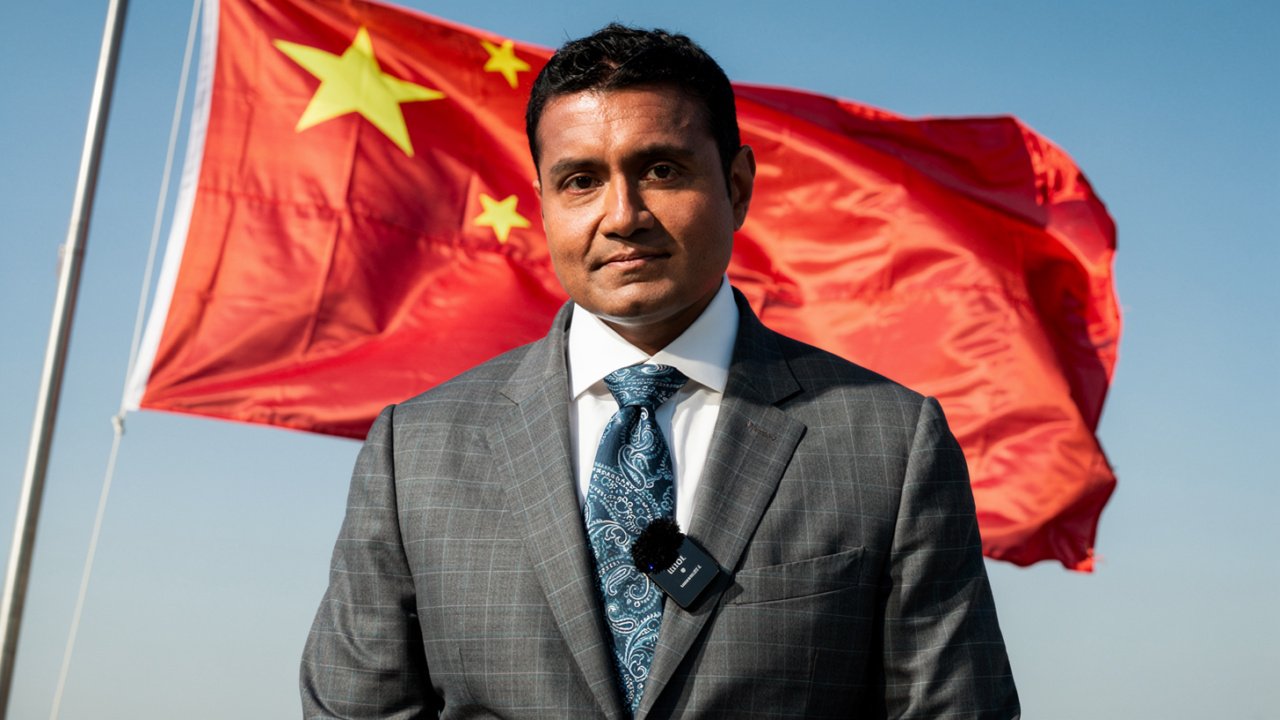
WASHINGTON — In a stark and unusually blunt assessment that has sent ripples through defence circles, Palantir Technologies Chief Technology Officer Shyam Sankar has warned that the United States possesses just eight days of critical weapons in a hypothetical major conflict with China.
The revelation comes as America’s ongoing naval blockade of Iranian ports and the six-week Iran war continue to deplete US military stockpiles at an alarming rate.

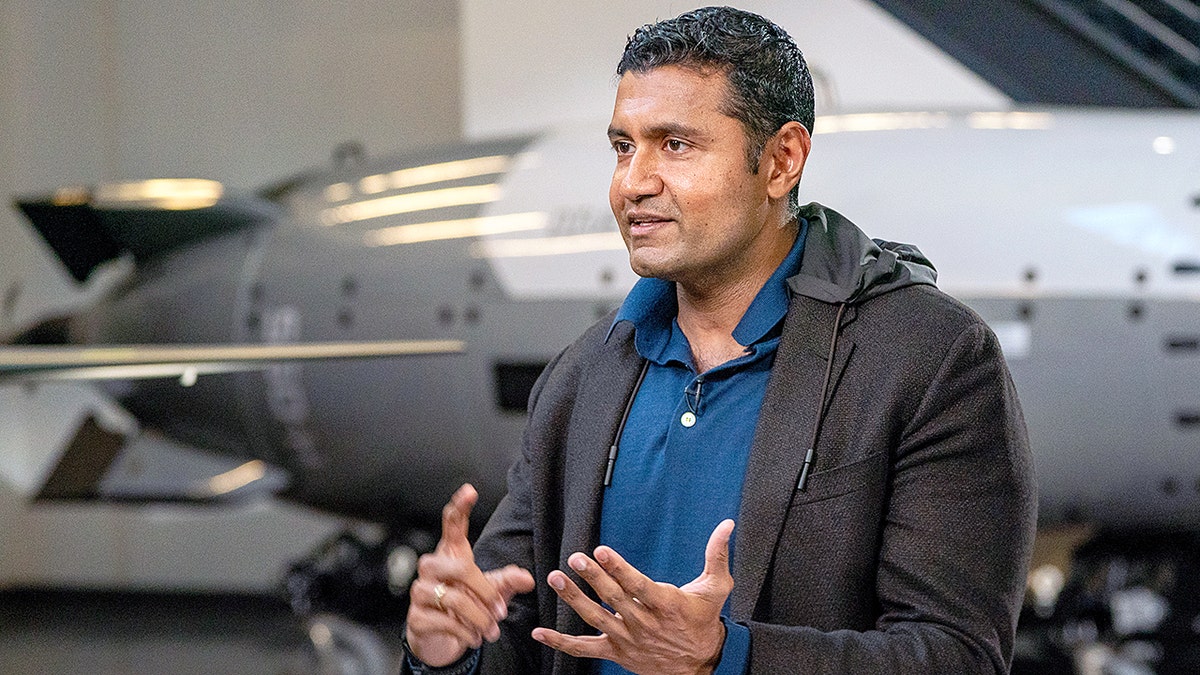
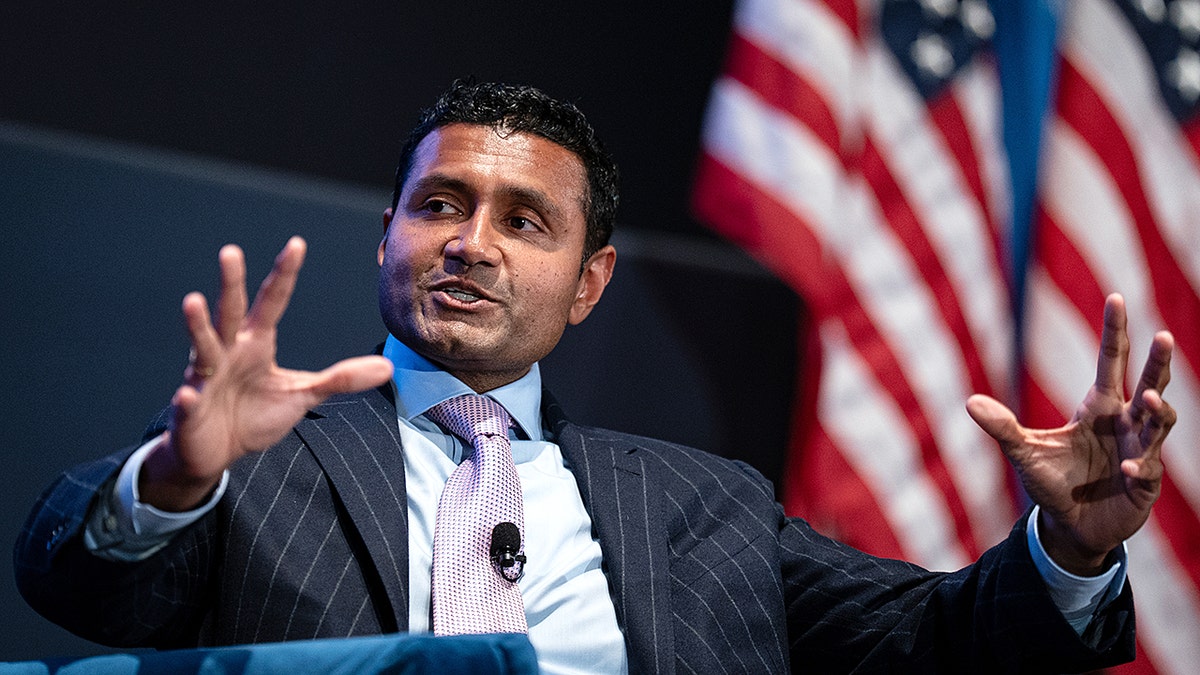
Speaking in recent interviews and public remarks, Sankar described the situation as part of America’s “undeclared emergency.” He pointed directly to the dual pressures of the Iran conflict and the long-term challenge of preparing for a potential high-intensity fight against a peer adversary like China.
“America gets deterrence wrong,” Sankar stated, warning that current production rates and supply chains are dangerously insufficient for the scale of modern warfare. He highlighted how precision munitions, missiles, and other advanced systems essential for any Pacific conflict are being consumed faster than they can be replenished — a problem made worse by the demands of enforcing the Strait of Hormuz blockade.
Why This Warning Hits Hard Right Now
The timing is no coincidence. As Pakistani mediators in Tehran work to arrange a second round of US-Iran talks and a possible ceasefire extension before April 22, the Iran operation has already forced the Pentagon to accelerate weapons production and approach major automakers for emergency manufacturing shifts.
Defence officials have confirmed the US military has turned back more than a dozen Iran-linked vessels since the blockade began, but every day of sustained operations eats deeper into reserves meant for other contingencies.
Sankar’s message is clear: the United States cannot afford to treat the Iran crisis in isolation. A prolonged stalemate — or worse, escalation — risks leaving America vulnerable on the world’s other critical flashpoints.
Pakistan’s Front-Row Seat to Global Risk
For Islamabad, the warning carries extra weight. Pakistan has positioned itself as the key mediator between Washington and Tehran, with Army Chief Field Marshal Asim Munir’s delegation still in Iran today.
Any collapse or prolongation of the Iran conflict directly impacts energy security, oil prices, and regional stability — all while global powers like China watch closely.
Analysts note that Beijing has already been quietly supplying Iran with advanced systems, further complicating the picture. If the US is stretched thin in the Gulf, the balance of power in the Indo-Pacific shifts dramatically.
The Bigger Picture: Tech, Industry, and Survival
Sankar, whose company Palantir works hand-in-glove with the US military on AI-driven warfare systems, is not issuing a casual opinion. He is calling for a full-scale mobilisation of America’s industrial base — the kind of wartime production shift not seen since World War II.
Without it, he argues, the US risks losing any future high-tech conflict before it even begins.
What do you think?
Is America’s military overstretch in the Iran war creating a dangerous blind spot against China? Or is this exactly the wake-up call Washington needs? Drop your thoughts in the comments.
Share this post if you want more real-time updates from Islamabad on how global threats are reshaping our region.
Comments (0)
Leave a Reply
No comments yet. Be the first to start the discussion.